All Categories
Featured
Table of Contents
By Brandon Warren, Chief Growth Officer Retail is among the most vibrant sectors, particularly when it pertains to adopting and integrating brand-new technologies and company designs. It's the only way to exist and prosper in such a competitive world. Among the most fascinating changes in current years is the increasing popularity of the "Buy Online, Pickup In Store" (BOPIS) model.
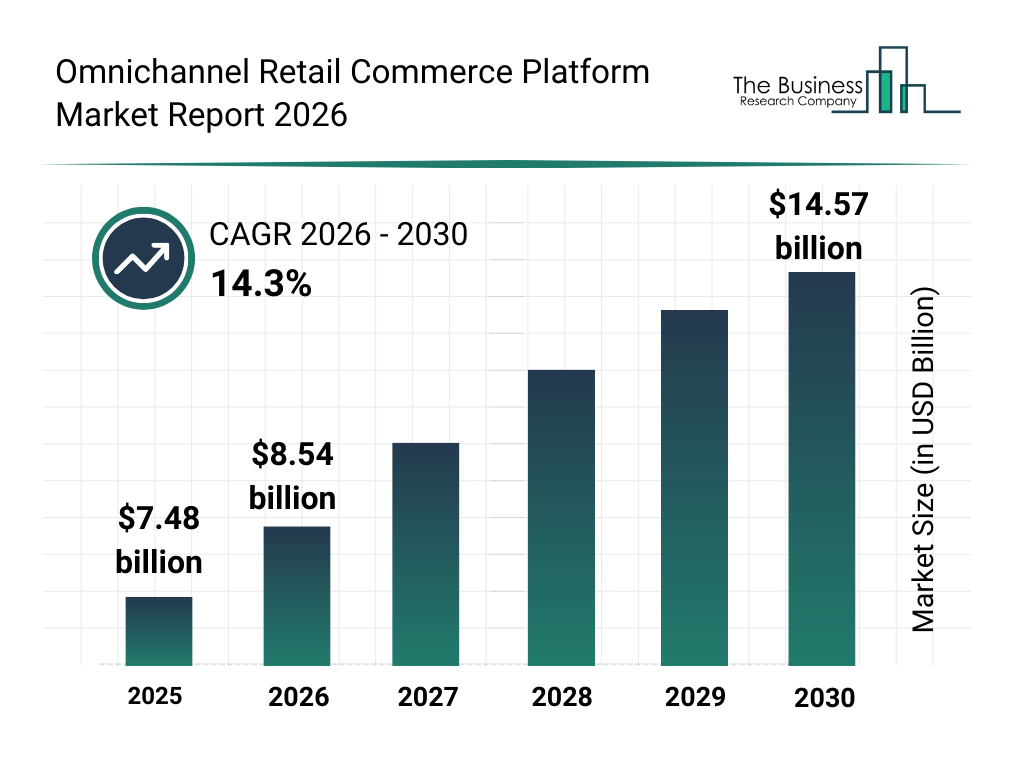
Provided that the last-mile delivery market is still on an upward growth trajectory, one may question why click-and-collect is likewise increasing. Retail strategy company, The Barcode Group, anticipates that the buy online, pickup in store design is here to stay, recommending that every company with physical shops must think about using it in mix with various agile retail trends to update the consumer experience and enhance foot traffic in both physical and online locations.
In basic terms, BOPIS permits customers to put and pay for an order online, then get the products at a close-by physical area. This goes versus how conventional online shopping works, where your online order is sent out to the last-mile shipment system before it reaches your door. Recent information states that the last-mile delivery market provides no indications of stagnancy or decrease.

This implies that BOPIS is not a replacement however rather a complementary technique. Home delivery remains clients' favorite alternative, especially during peak seasons, however click-and-collect offers numerous uncontestable benefits to both clients and sellers. Here's a list of common advantages for clients. They get the products within hours, rather than days.
There are no shipping charges, which can be a considerable cost for online orders. Customers understand the product remains in stock and ready for collection at a particular area. No threat of plans being lost or stolen from the doorstep. Consumers can examine the products on the area and make an immediate return or exchange in-store.
Evaluating Regional Pickup Options or Direct Shipping
Contribute to this the improved consumer experience, and it's easy to see why this market sector is on the increase, with a forecasted $36.95 billion by 2034. The very best approach, backed by retail experts, is a dual technique that develops a more robust and customer-centric satisfaction design. Organizations that use delivery alternatives and BOPIS cater to different client preferences and manage logistics more efficiently.
This is a modular approach in which the front-end consumer interface (site, app, social networks shop, landing page, and so on) and back-end systems (stock, checkout) operate individually. You do not always require a brick-and-mortar shop, with all the expenses that entail, to utilize BOPIS. Numerous brand names utilize so-called dark shops, which are more like small, automatic circulation hubs than public stores.
Q-commerce is one of the most aggressive kinds of agile retail. Many food and grocery shipment brands practice quick commerce to bring in more consumers in an oversaturated market and make their commitment.
Provided this structure's style, it's best coupled with headless architectures by linking satisfaction, payment, and delivery services through modular, API-driven elements. In 2024, TikTok Shops tape-recorded an approximated $33 billion in worldwide sales, while Instagram generated around $37.2 billion in commerce revenue. This is why retail brand names focus intensively on social commerce techniques nowadays.
Why Inventory Management Tools Boost Sales
By including the click-and-collect alternative, you incentivize social media users to choose your brand over those that just use delivery. Customers value benefit and fast shipment, and a retail technique that combines last-mile and BOPIS will help you use simply that. It's also an excellent way to stand apart in a highly competitive market, considering that customers have more choices for how they get their orders.
This post was updated on February 2, 2022 Curbside pickup ended up being significantly popular at the height of the COVID-19 pandemic, but the benefits of this service have actually turned it into a highly favorable business process that's sure to last well beyond the pandemic.
Linking Global Inventory Across Multiple Retail Channels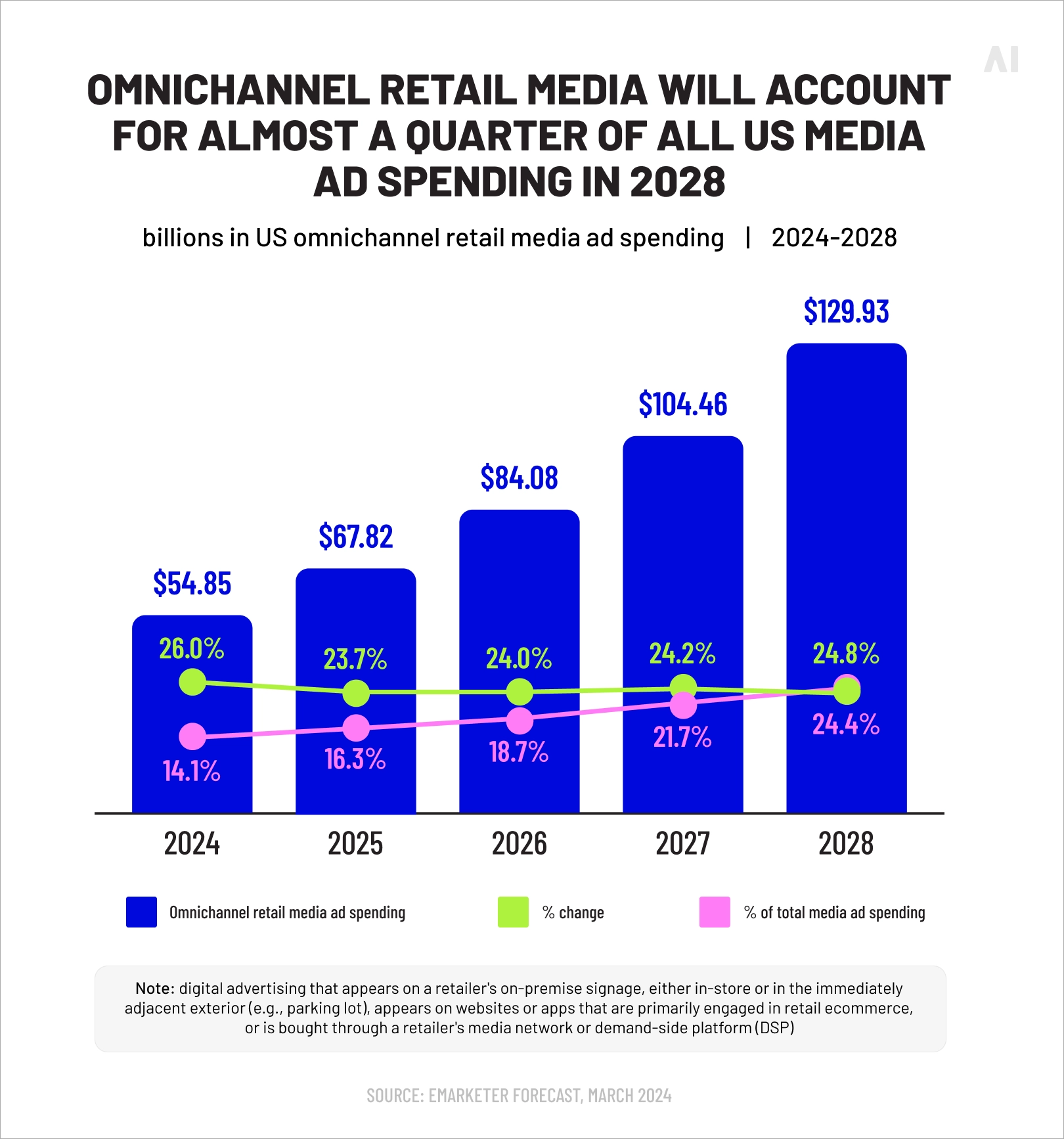
By not providing curbside pickup to your customers, you might be falling behind. If this is a brand-new concept for your small companies, this guide will assist you get going. Things initially, what is retail curbside pickup? Retail curbside pickup implies any order that's retrieved outside the physical store area.
Once put, a client consumer simply needs to get to the designated pickup location to get their order from a staff member stationed curbside. Sounds simple, right? Here's how to inform if your store area business is prepared to delve into the retail curbside pickup video game, along with the logistics required to make the option work.

Latest Posts
Simplifying Complex E-Commerce Sales Workflows
Building Flexible Omni-Channel Retail Supply Networks
Modern Inventory Management Software for Global Sales